
Embarking on the journey of understanding how a Digital Asset Management Consultant can revolutionize work efficiency by saving countless hours. Dive into the world where strategic management meets technological prowess.
Introduction to Digital Asset Management Consultant
A digital asset management consultant plays a crucial role in helping organizations streamline their workflows by efficiently managing and organizing their digital assets. These professionals are experts in implementing systems and strategies that ensure easy access, retrieval, and distribution of digital content across various departments.
Digital asset management has become increasingly important in modern businesses due to the exponential growth of digital content. From images and videos to documents and presentations, businesses are constantly creating and acquiring digital assets that need to be properly managed to enhance productivity and collaboration.
The Challenges Faced by Organizations in Managing Digital Assets Efficiently
- Organizations often struggle with disorganized digital asset storage, leading to time-consuming searches and duplication of efforts.
- Without a centralized system in place, collaboration among team members becomes difficult, resulting in inefficiencies and delays in project completion.
- Security risks are heightened when digital assets are not properly managed, as sensitive information can be easily accessed or lost.
- Scaling operations becomes challenging as the volume of digital assets grows, making it harder to maintain control and ensure compliance with data regulations.
Implementing Digital Asset Management Systems
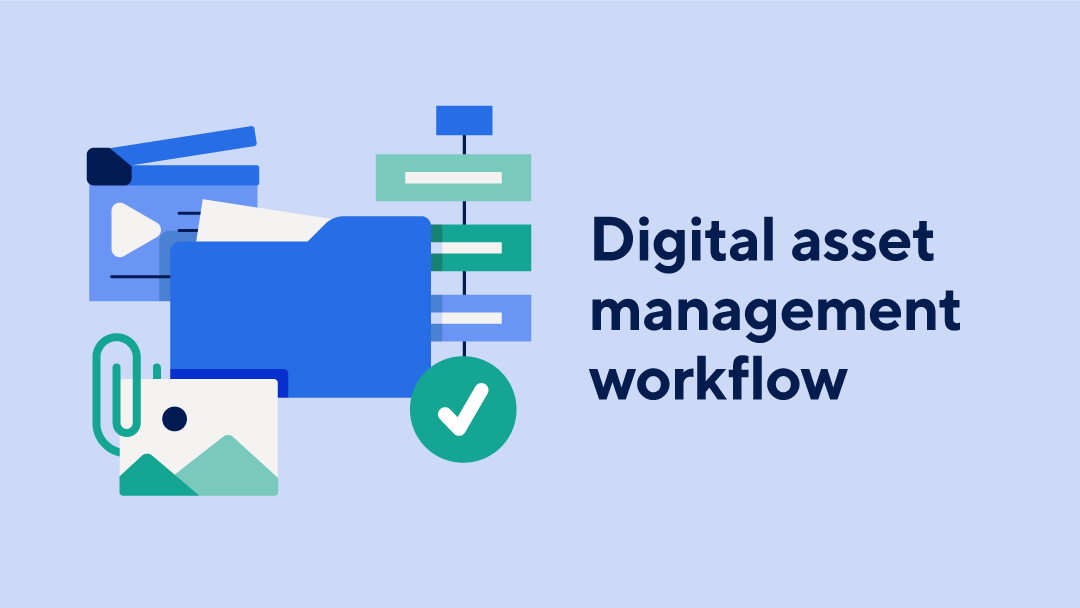
Implementing a Digital Asset Management (DAM) system in a company involves a thorough assessment of its digital asset management needs to ensure a successful integration. This process requires careful consideration of various factors to select the most suitable DAM system and customization options.
Assessing Company's Digital Asset Management Needs
- Conduct interviews with key stakeholders to understand the current challenges and pain points in managing digital assets.
- Perform an audit of existing digital assets to determine the volume, types, and organization of files.
- Analyze workflow processes to identify bottlenecks and inefficiencies in asset management.
- Evaluate security requirements to safeguard sensitive or proprietary digital assets.
Key Factors in Selecting a DAM System
- Scalability: Ensure the DAM system can accommodate the company's current needs and future growth.
- User-Friendly Interface: Choose a system that is intuitive and easy for employees to navigate and use.
- Integration Capabilities: Consider compatibility with existing software and systems for seamless integration.
- Metadata Management: Look for robust metadata capabilities to enhance search and retrieval of digital assets.
Role of a Consultant in Implementing DAM Systems
- Customization: Consultants work with the company to tailor the DAM system to meet specific requirements and workflows.
- Training and Support: Consultants provide training to employees on how to use the DAM system effectively and offer ongoing support post-implementation.
- Optimization: Consultants help optimize the DAM system over time by analyzing usage data and making recommendations for improvements.
Automating Workflows to Save Time
Automating workflows is a key strategy employed by Digital Asset Management (DAM) consultants to save time and increase efficiency in managing digital assets. By utilizing workflow automation tools, repetitive tasks can be streamlined and executed automatically, reducing the need for manual intervention and ultimately saving hundreds of work hoursExamples of Workflow Automation Tools
- DAM Software Platforms: Many DAM systems come equipped with features that allow users to create custom workflows with automated triggers and actions. These platforms can automate processes such as file organization, metadata tagging, and approvals.
- Integration Tools: Tools like Zapier and Integromat enable seamless integration between various applications, allowing for the automation of tasks across different systems. This can include syncing files between platforms, updating metadata, and triggering notifications.
- RPA (Robotic Process Automation): RPA tools like UiPath and Automation Anywhere can be used to automate complex workflows that involve multiple steps and systems. These tools can mimic human actions to perform tasks such as data entry, file transfers, and content publishing.
Benefits of Automating Workflows
- Increased Productivity: By automating repetitive tasks, employees can focus on more strategic and creative work, leading to higher productivity levels.
- Reduced Errors: Automation reduces the likelihood of human error in manual tasks, ensuring consistency and accuracy in asset management processes.
- Faster Turnaround Times: Automated workflows can significantly speed up the completion of tasks, enabling faster delivery of assets to users or clients.
- Cost Savings: Time saved through workflow automation translates to cost savings for organizations, as fewer resources are required to manage digital assets efficiently.
Training and Support for Efficient Asset Management
Training employees on using Digital Asset Management (DAM) systems effectively is crucial for maximizing the benefits of these systems. A consultant plays a key role in providing initial training as well as ongoing support to ensure smooth operations and efficient asset management.Ongoing Support from a Consultant
- A consultant offers continuous support to address any issues or questions that may arise after the implementation of a DAM system.
- They provide guidance on best practices for organizing and accessing digital assets, helping employees make the most of the system.
- Consultants can customize training sessions based on the specific needs of the organization, ensuring that employees are equipped with the knowledge and skills to use the system effectively.
Strategies for Troubleshooting Common Issues
- Regularly scheduled check-ins with the consultant can help identify and address any emerging challenges before they escalate.
- Creating a comprehensive troubleshooting guide tailored to the organization's DAM system can empower employees to resolve common issues independently.
- Encouraging open communication between employees and the consultant can help in quickly resolving any technical or operational issues that may arise.
Last Word
In conclusion, the role of a Digital Asset Management Consultant is pivotal in reshaping workflows and maximizing productivity. By implementing efficient systems, automating workflows, and providing ongoing support, businesses can thrive in the digital landscape.
FAQ Corner
How can a DAM consultant help save time?
A DAM consultant automates repetitive tasks, streamlines workflows, and optimizes digital asset management processes to eliminate manual work and save valuable hours.
What are some common workflow automation tools used in digital asset management?
Popular workflow automation tools in digital asset management include Zapier, Adobe Experience Manager, and Bynder, which streamline processes and enhance efficiency.
Why is ongoing support crucial for efficient asset management?
Ongoing support ensures that employees are well-trained in using DAM systems, troubleshoot issues promptly, and optimize the system for continuous improvement in workflow efficiency.