
When it comes to maximizing lifetime value in retail or service industries, the debate between clienteling and customer service takes center stage. Let's delve into the intricacies of these strategies and see which one holds the key to unlocking greater customer loyalty and revenue.
Clienteling vs. Customer Service
Clienteling and customer service are both crucial aspects of the retail and service industry, focused on building and maintaining strong relationships with customers. However, they differ in their approaches and goals.Clienteling involves personalized interactions with customers to create a tailored and exclusive experience. It goes beyond just addressing immediate needs and aims to build long-term relationships by understanding individual preferences, purchase history, and lifestyle to anticipate future needs. On the other hand, customer service focuses on providing assistance and support to customers during their interactions with a business.Primary Differences between Clienteling and Customer Service
- Clienteling is proactive and personalized, while customer service is reactive and transactional.
- Clienteling focuses on relationship-building and long-term engagement, whereas customer service is mainly concerned with addressing immediate concerns.
- Clienteling uses data and insights to anticipate customer needs, while customer service addresses issues as they arise.
Examples of Implementation
- Clienteling: A luxury fashion boutique assigns personal shoppers to clients, who keep track of their preferences and notify them of new arrivals that match their style.
- Customer Service: A retail store has a dedicated customer service team to handle inquiries, complaints, and returns efficiently to ensure customer satisfaction.
Importance of Distinguishing Between Clienteling and Customer Service
- By understanding the differences between clienteling and customer service, businesses can tailor their strategies to meet different customer needs effectively.
- Implementing clienteling techniques can lead to increased customer loyalty, repeat business, and higher lifetime value, whereas excellent customer service ensures customer satisfaction and retention.
- Businesses that excel in both clienteling and customer service can create a competitive advantage by providing exceptional experiences that drive customer loyalty and advocacy.
Importance of Clienteling
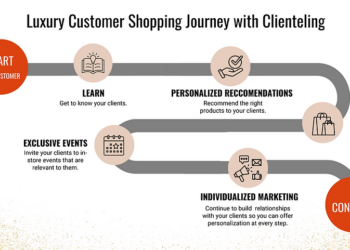
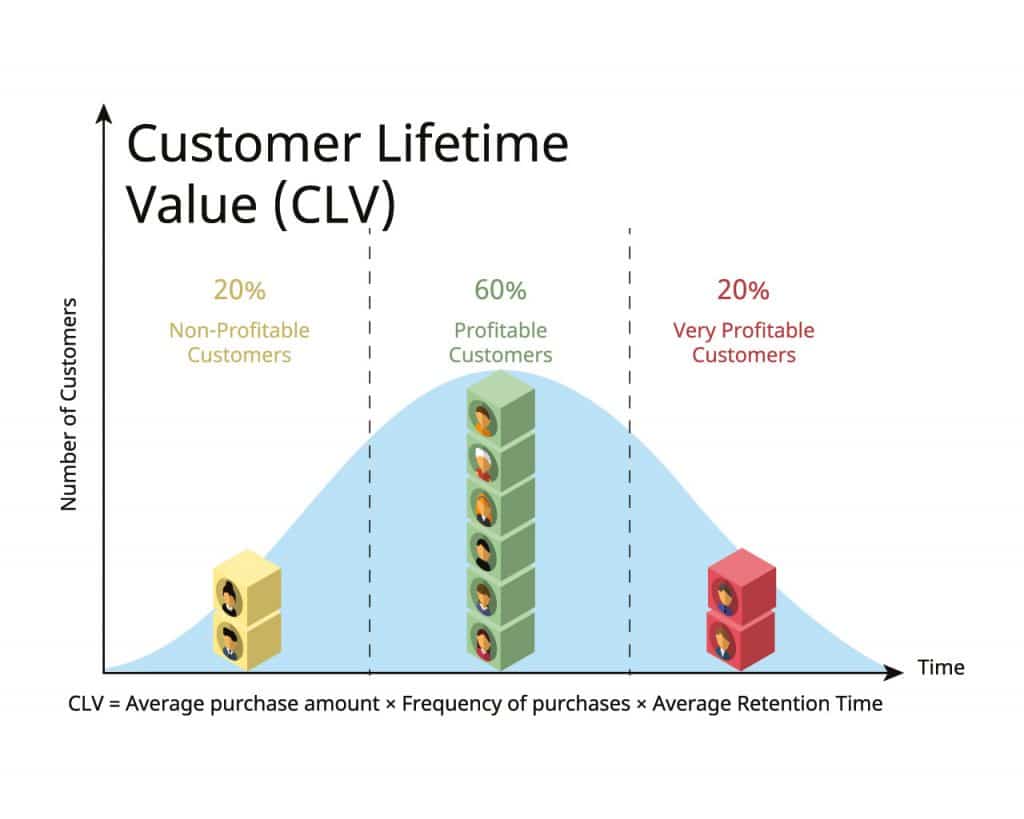 Clienteling is a crucial strategy for businesses looking to enhance customer relationships and drive long-term loyalty. By focusing on personalized interactions and tailored experiences, clienteling can significantly impact the lifetime value of customers.
Benefits of Implementing Clienteling Strategies
- Improved Customer Engagement: Clienteling allows businesses to engage with customers on a personal level, leading to deeper connections and increased loyalty.
- Enhanced Customer Experience: By offering personalized recommendations and assistance, businesses can create a memorable experience for customers, leading to repeat business and referrals.
- Increased Sales: Through targeted recommendations and promotions based on customer preferences, businesses can drive higher sales and average order value.
Examples of Successful Clienteling Strategies
- Apple: Apple's retail stores are known for their personalized approach to customer service, with employees using iPads to access customer information and provide tailored recommendations.
- Nordstrom: Nordstrom's Personal Stylist program assigns dedicated stylists to customers, offering personalized fashion advice and shopping assistance.
- Lululemon: Lululemon's loyalty program offers exclusive perks and rewards to members, incentivizing repeat purchases and brand advocacy.
How Clienteling Contributes to Increasing Lifetime Value
- Repeat Business: By building strong relationships with customers through personalized interactions, businesses can increase customer retention and drive repeat purchases.
- Word-of-Mouth Referrals: Satisfied customers are more likely to recommend a business to others, leading to new customer acquisition and increased lifetime value.
- Brand Loyalty: Clienteling helps create loyal customers who are more likely to choose a business over competitors, leading to long-term profitability and sustained growth.
Benefits of Customer Service
Customer service plays a crucial role in ensuring customer satisfaction and loyalty. Exceptional customer service can lead to increased customer retention, ultimately driving more lifetime value for businesses.Significance of Customer Satisfaction
Customer satisfaction is directly linked to the quality of customer service provided by a business. When customers receive excellent service, they are more likely to feel valued and appreciated, leading to higher levels of satisfaction and loyalty- Happy customers are more likely to make repeat purchases and recommend the business to others, contributing to long-term success.
- Responding promptly to customer inquiries and resolving issues efficiently can significantly enhance the overall customer experience.
Examples of Companies with Outstanding Customer Service
Several companies are known for their exceptional customer service practices, setting them apart from competitors and earning them a loyal customer base. Companies like Zappos, Amazon, and Ritz-Carlton are renowned for their commitment to customer satisfaction and going above and beyond to meet customer needs.- Zappos, for example, is famous for its 24/7 customer service and hassle-free return policy, which has helped build a strong reputation for customer care.
- Amazon's focus on customer-centric policies, such as fast shipping and easy returns, has contributed to its success as a customer service leader in the e-commerce industry.
Impact on Customer Acquisition and Retention
Customer service not only influences customer satisfaction but also plays a significant role in customer acquisition and retention. Businesses that prioritize exceptional customer service are more likely to attract new customers through positive word-of-mouth and referrals.Providing outstanding customer service can turn first-time buyers into loyal repeat customers, increasing customer lifetime value and overall profitability.
- By delivering personalized service, anticipating customer needs, and resolving issues promptly, businesses can create a positive customer experience that fosters long-term relationships.
- Customers who feel valued and appreciated are more likely to remain loyal to a brand, reducing churn rates and increasing customer lifetime value over time.
Integrating Clienteling and Customer Service
Integrating clienteling and customer service can lead to a more personalized and seamless customer experience, ultimately maximizing customer lifetime value.
Tips for Seamless Integration
- Train employees to understand the importance of both clienteling and customer service, emphasizing the need to blend the two approaches.
- Utilize technology such as CRM systems to track customer preferences and purchase history, enabling a more personalized approach in customer interactions.
- Encourage open communication between sales associates and customer service representatives to ensure a consistent and cohesive experience for customers.
Challenges in Merging Strategies
- Resistance from employees who may be accustomed to traditional customer service methods and are reluctant to adopt clienteling practices.
- Difficulty in maintaining a balance between providing personalized service and meeting the needs of a larger customer base.
- Ensuring data privacy and security when collecting and utilizing customer information for clienteling purposes.
Success Stories
One success story comes from a luxury fashion retailer that implemented a clienteling program integrated with their customer service strategy. By equipping their sales associates with tablets linked to customer profiles, they were able to provide personalized recommendations and follow-up interactions. This led to increased customer satisfaction, loyalty, and ultimately, higher lifetime value for each customer.
Wrap-Up
In conclusion, understanding the nuances of clienteling and customer service is crucial for businesses aiming to cultivate lasting customer relationships and boost profitability. By incorporating the best of both worlds, companies can truly drive more value over a customer's lifetime.
Query Resolution
What is the difference between clienteling and customer service?
Clienteling focuses on personalized, long-term relationships with customers, while customer service deals with immediate assistance and issue resolution.
How can businesses integrate clienteling and customer service effectively?
Businesses can train staff to understand when to apply clienteling techniques for relationship-building and when to prioritize quick customer service solutions.