

Embarking on the exploration of Sustainability in Retail Trade: What Modern Consumers in America Demand, this introductory paragraph aims to capture the readers' attention with a blend of informative and engaging content.
The following paragraph will delve into the specifics of the topic, providing a comprehensive overview.
Definition of Sustainability in Retail Trade
In the context of retail trade, sustainability refers to the practice of conducting business in a way that meets the needs of the present without compromising the ability of future generations to meet their own needs. It involves incorporating environmentally friendly practices, social responsibility, and economic viability into the operations of retail businesses.
Importance of Sustainability in the Retail Sector
Sustainability in the retail sector is crucial for several reasons. Firstly, it helps reduce the environmental impact of retail operations, such as carbon emissions, waste generation, and resource depletion. By adopting sustainable practices, retailers can contribute to a healthier planet and combat climate change.
Secondly, consumers today are becoming increasingly conscious of the environmental and social impact of their purchasing decisions. Retailers that prioritize sustainability are more likely to attract and retain customers who value ethical and eco-friendly products and practices.
Examples of Sustainable Practices in Retail
- Implementing energy-efficient lighting and heating systems in stores to reduce energy consumption.
- Sourcing products from suppliers who adhere to fair labor practices and environmentally friendly production methods.
- Offering recycling programs for packaging materials and encouraging customers to bring reusable bags.
- Reducing food waste by donating surplus food to local charities or composting organic waste.
Modern Consumer Trends in America
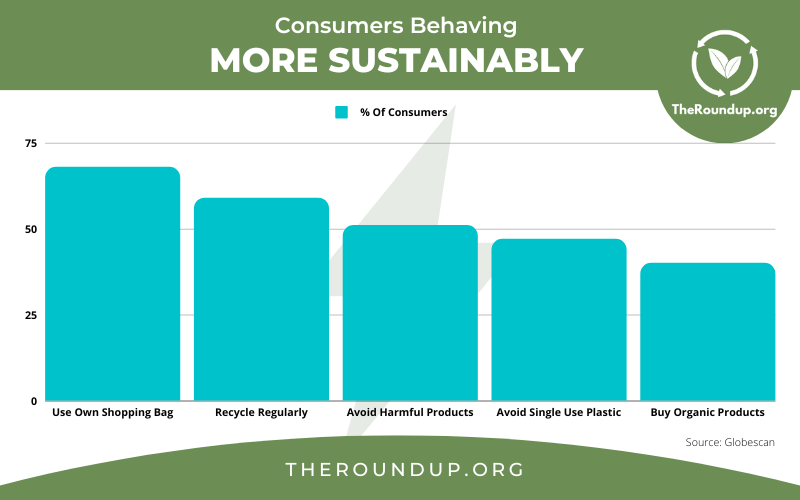
Consumer behavior in America has been shifting towards sustainability in recent years. Modern consumers are increasingly conscious of the environmental and social impact of their purchasing decisions. This shift in mindset has led to several key trends in consumer behavior related to sustainability.Increased Demand for Eco-Friendly Products
- Consumers are actively seeking out products that are eco-friendly and sustainable, such as organic foods, ethically sourced clothing, and recyclable packaging.
- There is a growing awareness of the importance of reducing waste and carbon footprint, leading consumers to choose products that align with their values.
- Companies that prioritize sustainability in their products and practices are gaining popularity among consumers who value environmentally conscious brands.
Preference for Transparent and Ethical Brands
- Modern consumers are more interested in the ethical practices of brands, including fair labor conditions, responsible sourcing, and overall transparency in operations.
- Brands that are open about their supply chain, production processes, and environmental impact are viewed more favorably by consumers.
- Transparency and ethical considerations play a significant role in consumers' purchasing decisions, influencing their brand loyalty and trust.
Impact of Sustainability on Purchasing Decisions
- Sustainability has become a significant factor in consumers' purchasing decisions, with many willing to pay a premium for products that are environmentally friendly and socially responsible.
- Studies have shown that a majority of consumers are more likely to support brands that are committed to sustainability, even if it means paying a higher price.
- The influence of sustainability on purchasing decisions is expected to continue to grow as consumers become more informed and conscious of the impact of their consumption habits.
Demands for Sustainable Products
American consumers today are increasingly prioritizing sustainability in their purchasing decisions, leading to a growing demand for sustainable products in the retail sector. This shift in consumer behavior is driven by a desire to support environmentally friendly practices, ethical sourcing, and transparent supply chains.Eco-Friendly Packaging
- Eco-friendly packaging is a key demand from modern consumers, who are looking for products that minimize their environmental impact.
- Materials such as biodegradable plastics, recycled paper, and compostable packaging are becoming more popular choices among consumers.
- Brands that prioritize sustainable packaging not only attract environmentally conscious consumers but also contribute to reducing waste in landfills.
Ethical Sourcing
- Consumers in America are increasingly concerned about the ethical sourcing of products, including fair labor practices and humane treatment of workers.
- They look for brands that ensure workers along the supply chain are treated fairly and paid a living wage.
- Companies that prioritize ethical sourcing build trust with consumers and create a positive brand image in the market.
Transparent Supply Chains
- Transparency in the supply chain is another crucial demand from modern consumers, who want to know where and how products are made.
- Brands that provide detailed information about their sourcing, production processes, and impact on the environment are more likely to gain consumer trust.
- Certifications like Fair Trade and organic labels play a significant role in assuring consumers of a product's sustainability and ethical standards.
Impact of Sustainability on Brand Image
Case Studies of Successful Sustainability Integration
- Patagonia: Patagonia is a renowned outdoor clothing company that has been a pioneer in sustainable business practices. By using recycled materials, promoting fair labor practices, and advocating for environmental conservation, Patagonia has built a loyal customer base that values its commitment to sustainability.
- IKEA: IKEA, a global furniture retailer, has implemented various sustainability measures such as sourcing sustainable materials, reducing energy consumption, and offering recycling services. These efforts have not only improved IKEA's brand image but also attracted environmentally-conscious consumers.
Risks of Greenwashing and Consumer Trust
Greenwashing refers to the practice of misleading consumers by making false or exaggerated claims about a company's environmental initiatives. When brands engage in greenwashing, they risk damaging their reputation and losing consumer trust. Consumers today are increasingly discerning and can easily detect insincere sustainability efforts, leading to backlash and potential boycotts.To maintain consumer trust and loyalty, brands must ensure transparency in their sustainability practices and avoid greenwashing at all costs. Genuine commitment to sustainability not only benefits the environment but also strengthens a brand's image and competitiveness in the market.Technology and Innovation in Sustainable Retail
Technology plays a crucial role in advancing sustainability practices in the retail industry. From improving supply chain transparency to enhancing inventory management, innovative solutions are reshaping the way retailers approach sustainability.Blockchain for Enhanced Supply Chain Transparency
Blockchain technology offers a secure and transparent way to track products throughout the supply chain. By creating an immutable ledger of transactions, retailers can verify the authenticity and sustainability of their products. This not only helps in reducing fraud but also ensures ethical sourcing practices.AI for Sustainable Inventory Management
Artificial Intelligence (AI) is revolutionizing inventory management by optimizing stock levels and reducing waste. AI-powered systems can analyze data in real-time to predict consumer demand accurately, leading to better inventory control and minimizing overstocking. This, in turn, reduces the environmental impact of excess inventory and enhances overall sustainability.Tech-Driven Solutions for Sustainable Practices
Various tech-driven solutions are being implemented to enhance sustainability practices in retail. For instance, IoT sensors can monitor energy consumption in stores, leading to more efficient resource utilization. Additionally, mobile apps are empowering consumers to make informed sustainable choices by providing information on product origins and environmental impact.Ending Remarks
Concluding the discussion on Sustainability in Retail Trade: What Modern Consumers in America Demand, this final paragraph wraps up the key points in a compelling manner, leaving readers with food for thought.
Quick FAQs
What are the specific demands of modern American consumers for sustainable products?
Modern American consumers are increasingly seeking eco-friendly packaging, ethical sourcing, and transparent supply chains when making purchasing decisions.
How does a brand's commitment to sustainability impact consumer trust?
A brand's dedication to sustainability can enhance consumer trust and loyalty, while greenwashing, or falsely portraying sustainability efforts, can erode consumer confidence.
Embarking on the exploration of Sustainability in Retail Trade: What Modern Consumers in America Demand, this introductory paragraph aims to capture the readers' attention with a blend of informative and engaging content.
The following paragraph will delve into the specifics of the topic, providing a comprehensive overview.
Definition of Sustainability in Retail Trade
In the context of retail trade, sustainability refers to the practice of conducting business in a way that meets the needs of the present without compromising the ability of future generations to meet their own needs. It involves incorporating environmentally friendly practices, social responsibility, and economic viability into the operations of retail businesses.
Importance of Sustainability in the Retail Sector
Sustainability in the retail sector is crucial for several reasons. Firstly, it helps reduce the environmental impact of retail operations, such as carbon emissions, waste generation, and resource depletion. By adopting sustainable practices, retailers can contribute to a healthier planet and combat climate change.
Secondly, consumers today are becoming increasingly conscious of the environmental and social impact of their purchasing decisions. Retailers that prioritize sustainability are more likely to attract and retain customers who value ethical and eco-friendly products and practices.
Examples of Sustainable Practices in Retail
- Implementing energy-efficient lighting and heating systems in stores to reduce energy consumption.
- Sourcing products from suppliers who adhere to fair labor practices and environmentally friendly production methods.
- Offering recycling programs for packaging materials and encouraging customers to bring reusable bags.
- Reducing food waste by donating surplus food to local charities or composting organic waste.
Modern Consumer Trends in America
Consumer behavior in America has been shifting towards sustainability in recent years. Modern consumers are increasingly conscious of the environmental and social impact of their purchasing decisions. This shift in mindset has led to several key trends in consumer behavior related to sustainability.Increased Demand for Eco-Friendly Products
- Consumers are actively seeking out products that are eco-friendly and sustainable, such as organic foods, ethically sourced clothing, and recyclable packaging.
- There is a growing awareness of the importance of reducing waste and carbon footprint, leading consumers to choose products that align with their values.
- Companies that prioritize sustainability in their products and practices are gaining popularity among consumers who value environmentally conscious brands.
Preference for Transparent and Ethical Brands
- Modern consumers are more interested in the ethical practices of brands, including fair labor conditions, responsible sourcing, and overall transparency in operations.
- Brands that are open about their supply chain, production processes, and environmental impact are viewed more favorably by consumers.
- Transparency and ethical considerations play a significant role in consumers' purchasing decisions, influencing their brand loyalty and trust.
Impact of Sustainability on Purchasing Decisions
- Sustainability has become a significant factor in consumers' purchasing decisions, with many willing to pay a premium for products that are environmentally friendly and socially responsible.
- Studies have shown that a majority of consumers are more likely to support brands that are committed to sustainability, even if it means paying a higher price.
- The influence of sustainability on purchasing decisions is expected to continue to grow as consumers become more informed and conscious of the impact of their consumption habits.
Demands for Sustainable Products
American consumers today are increasingly prioritizing sustainability in their purchasing decisions, leading to a growing demand for sustainable products in the retail sector. This shift in consumer behavior is driven by a desire to support environmentally friendly practices, ethical sourcing, and transparent supply chains.Eco-Friendly Packaging
- Eco-friendly packaging is a key demand from modern consumers, who are looking for products that minimize their environmental impact.
- Materials such as biodegradable plastics, recycled paper, and compostable packaging are becoming more popular choices among consumers.
- Brands that prioritize sustainable packaging not only attract environmentally conscious consumers but also contribute to reducing waste in landfills.
Ethical Sourcing
- Consumers in America are increasingly concerned about the ethical sourcing of products, including fair labor practices and humane treatment of workers.
- They look for brands that ensure workers along the supply chain are treated fairly and paid a living wage.
- Companies that prioritize ethical sourcing build trust with consumers and create a positive brand image in the market.
Transparent Supply Chains
- Transparency in the supply chain is another crucial demand from modern consumers, who want to know where and how products are made.
- Brands that provide detailed information about their sourcing, production processes, and impact on the environment are more likely to gain consumer trust.
- Certifications like Fair Trade and organic labels play a significant role in assuring consumers of a product's sustainability and ethical standards.
Impact of Sustainability on Brand Image
Case Studies of Successful Sustainability Integration
- Patagonia: Patagonia is a renowned outdoor clothing company that has been a pioneer in sustainable business practices. By using recycled materials, promoting fair labor practices, and advocating for environmental conservation, Patagonia has built a loyal customer base that values its commitment to sustainability.
- IKEA: IKEA, a global furniture retailer, has implemented various sustainability measures such as sourcing sustainable materials, reducing energy consumption, and offering recycling services. These efforts have not only improved IKEA's brand image but also attracted environmentally-conscious consumers.
Risks of Greenwashing and Consumer Trust
Greenwashing refers to the practice of misleading consumers by making false or exaggerated claims about a company's environmental initiatives. When brands engage in greenwashing, they risk damaging their reputation and losing consumer trust. Consumers today are increasingly discerning and can easily detect insincere sustainability efforts, leading to backlash and potential boycotts.To maintain consumer trust and loyalty, brands must ensure transparency in their sustainability practices and avoid greenwashing at all costs. Genuine commitment to sustainability not only benefits the environment but also strengthens a brand's image and competitiveness in the market.Technology and Innovation in Sustainable Retail
Technology plays a crucial role in advancing sustainability practices in the retail industry. From improving supply chain transparency to enhancing inventory management, innovative solutions are reshaping the way retailers approach sustainability.Blockchain for Enhanced Supply Chain Transparency
Blockchain technology offers a secure and transparent way to track products throughout the supply chain. By creating an immutable ledger of transactions, retailers can verify the authenticity and sustainability of their products. This not only helps in reducing fraud but also ensures ethical sourcing practices.AI for Sustainable Inventory Management
Artificial Intelligence (AI) is revolutionizing inventory management by optimizing stock levels and reducing waste. AI-powered systems can analyze data in real-time to predict consumer demand accurately, leading to better inventory control and minimizing overstocking. This, in turn, reduces the environmental impact of excess inventory and enhances overall sustainability.Tech-Driven Solutions for Sustainable Practices
Various tech-driven solutions are being implemented to enhance sustainability practices in retail. For instance, IoT sensors can monitor energy consumption in stores, leading to more efficient resource utilization. Additionally, mobile apps are empowering consumers to make informed sustainable choices by providing information on product origins and environmental impact.Ending Remarks
Concluding the discussion on Sustainability in Retail Trade: What Modern Consumers in America Demand, this final paragraph wraps up the key points in a compelling manner, leaving readers with food for thought.
Quick FAQs
What are the specific demands of modern American consumers for sustainable products?
Modern American consumers are increasingly seeking eco-friendly packaging, ethical sourcing, and transparent supply chains when making purchasing decisions.
How does a brand's commitment to sustainability impact consumer trust?
A brand's dedication to sustainability can enhance consumer trust and loyalty, while greenwashing, or falsely portraying sustainability efforts, can erode consumer confidence.