
Transforming In-Store Experience: A Guide to Professional Clienteling Strategies sets the stage for this enthralling narrative, offering readers a glimpse into a story that is rich in detail and brimming with originality from the outset.
The following paragraphs will delve into the intricacies of clienteling strategies, personalization, data-driven insights, and omnichannel integration in the retail environment.
Understanding Clienteling
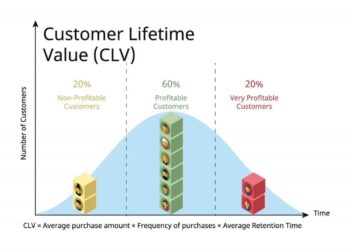
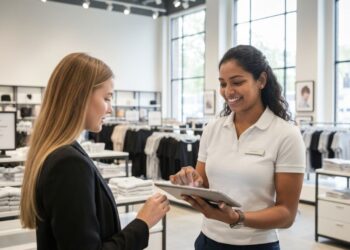
Clienteling in the retail context refers to the personalized service and relationship-building techniques used by sales associates to enhance the customer's shopping experience. It involves getting to know the preferences, tastes, and behaviors of individual customers in order to provide tailored recommendations and assistance.Clienteling can enhance the in-store experience by creating a more intimate and personalized shopping environment for customers. By remembering past purchases, sizes, and style preferences, sales associates can offer targeted product suggestions that are more likely to resonate with the customer. This level of personalization can lead to increased customer satisfaction, loyalty, and ultimately, higher sales conversion rates.Building long-term relationships with customers through clienteling is crucial for fostering customer loyalty and repeat business. By investing time in understanding each customer's needs and preferences, sales associates can go beyond just making a sale to creating a lasting connection. This can result in customers returning to the store specifically to seek out their favorite sales associate, leading to a more loyal customer base and increased customer lifetime value.Implementing Clienteling Strategies
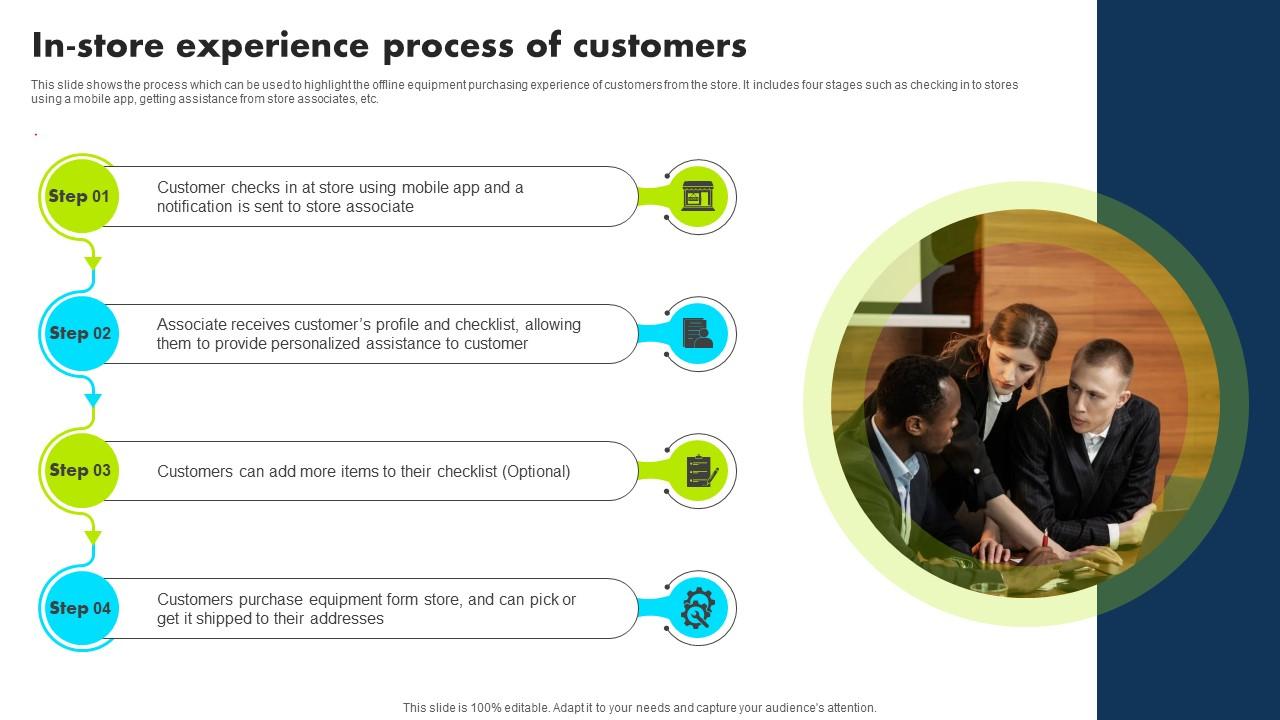
Implementing clienteling strategies in-store is essential for enhancing the overall customer experience and increasing sales. By leveraging various techniques and utilizing technology effectively, businesses can create personalized interactions that build long-lasting relationships with customers.
Utilizing Technology to Support Clienteling Efforts
Technology plays a crucial role in supporting clienteling efforts by providing tools and platforms that enable seamless communication and data management. Here are some ways technology can be leveraged:
- Utilize customer relationship management (CRM) software to track customer preferences, purchase history, and interactions.
- Implement mobile devices for sales associates to access real-time information and communicate with customers effectively.
- Use data analytics to gain insights into customer behavior and tailor personalized recommendations.
- Leverage social media platforms to engage with customers and provide personalized offers based on their interests.
Training Staff on Effective Clienteling Techniques
Training staff on effective clienteling techniques is crucial to ensure consistency and quality in customer interactions. Here are some best practices for training staff:
- Provide comprehensive training on how to use CRM software and other technology tools effectively.
- Emphasize the importance of active listening and building rapport with customers to understand their needs.
- Encourage staff to personalize interactions by remembering customer preferences and past interactions.
- Role-play scenarios to practice handling different customer situations and objections effectively.
Personalization and Customization
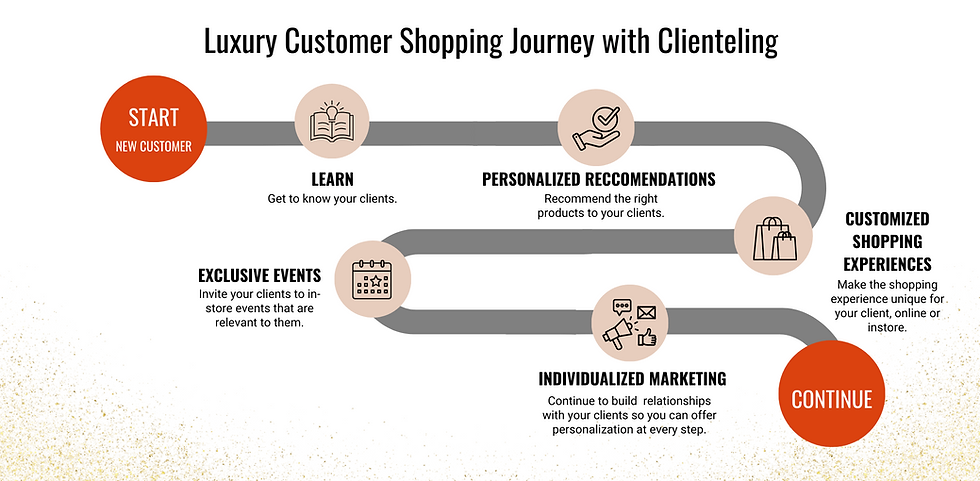 Personalization plays a crucial role in clienteling as it involves tailoring the shopping experience to meet the unique preferences and needs of individual customers. By personalizing interactions, sales associates can build stronger relationships with clients, leading to enhanced customer satisfaction and loyalty.
Benefits of Customizing the Shopping Experience
- Increased Customer Satisfaction: When customers feel that their needs are understood and met, they are more likely to be satisfied with their shopping experience.
- Enhanced Loyalty: Personalizing the shopping experience can create a sense of loyalty and connection between the customer and the brand, leading to repeat business.
- Higher Sales Conversion: Customizing recommendations based on the customer's preferences and past purchases can result in higher sales conversion rates.
- Word-of-Mouth Marketing: Satisfied customers who have had a personalized shopping experience are more likely to recommend the brand to others, leading to positive word-of-mouth marketing.
Examples of Personalization Leading to Increased Customer Satisfaction and Loyalty
- Sending personalized product recommendations based on the customer's browsing history and past purchases.
- Remembering important dates such as birthdays and anniversaries and offering special promotions or gifts.
- Creating a VIP program that rewards loyal customers with exclusive discounts and access to limited-edition products.
Data-Driven Clienteling
Clienteling strategies are becoming increasingly data-driven in the retail industry, allowing businesses to personalize the in-store experience like never before. By leveraging customer data effectively, retailers can tailor their interactions with clients, ultimately leading to higher satisfaction and loyalty.
Utilizing Customer Data for Personalization
- Customer purchase history, preferences, and behavior can be analyzed to create personalized recommendations and offers.
- Segmenting customers based on their data allows for targeted marketing campaigns and tailored communication.
- Utilizing data analytics tools can help retailers understand trends and predict customer needs, enhancing the overall clienteling experience.
Ethical Collection and Usage of Customer Data
- Obtaining customer consent for data collection is crucial to maintaining trust and adhering to data protection regulations.
- Protecting customer data through secure systems and encryption is essential to safeguarding sensitive information.
- Using customer data responsibly and transparently demonstrates a commitment to ethical clienteling practices.
Omnichannel Integration
Integrating clienteling efforts across various channels is crucial in today's retail landscape. It allows retailers to provide a seamless and personalized experience to customers, whether they are shopping online or in-store.
Maintaining a consistent experience for customers across online and offline touchpoints involves aligning customer data, preferences, and interactions across all channels. This ensures that customers receive the same level of service and personalization, regardless of how they choose to engage with the brand.
Successful Omnichannel Clienteling Strategies in Retail
- Implementing a unified customer database: By centralizing customer data from all touchpoints, retailers can create a comprehensive view of each customer's preferences, purchase history, and interactions. This allows for personalized recommendations and targeted marketing efforts across channels.
- Seamless shopping experience: Offering services such as buy online, pick up in-store (BOPIS) or ship from store not only enhances convenience for customers but also integrates online and offline channels seamlessly. This ensures that customers can access products and services in a way that suits them best.
- Personalized marketing campaigns: Utilizing data-driven insights to tailor marketing messages and promotions to individual customers based on their preferences and behaviors. By delivering relevant offers through email, social media, and in-store interactions, retailers can enhance customer engagement and drive sales.
- Consistent brand messaging: Ensuring that the brand identity, values, and messaging remain consistent across all channels. This helps in building a cohesive brand experience and reinforces customer loyalty.
Last Word
In conclusion, Transforming In-Store Experience: A Guide to Professional Clienteling Strategies provides a comprehensive roadmap for retailers looking to elevate their customer experience through tailored approaches and strategic initiatives.
FAQ Resource
How can clienteling enhance the in-store experience?
Clienteling can enhance the in-store experience by personalizing interactions, providing tailored recommendations, and building long-term relationships with customers.
What are some best practices for training staff on effective clienteling techniques?
Some best practices include role-playing scenarios, continuous education on product knowledge, and using technology tools to support clienteling efforts.
How can customer data be used ethically and effectively in clienteling strategies?
Customer data can be used ethically and effectively by obtaining consent, ensuring data security, and using insights to personalize the shopping experience without compromising customer privacy.