
With Global Retail Trade Trends: How US Brands are Expanding into the AU Market at the forefront, this paragraph opens a window to an amazing start and intrigue, inviting readers to embark on a storytelling filled with unexpected twists and insights.
The content of the second paragraph that provides descriptive and clear information about the topic
Overview of Global Retail Trade Trends
The global retail trade landscape is constantly evolving, driven by changing consumer preferences, technological advancements, and economic conditions. With the rise of e-commerce and digital platforms, retailers are expanding their reach beyond borders to tap into new markets and opportunities.
Factors Driving the Expansion of US Brands into the AU Market
1. Brand Recognition: US brands are often well-known and trusted globally, making them attractive to Australian consumers. 2. Economic Opportunities: The Australian market offers growth potential for US brands looking to diversify their customer base. 3. Trade Agreements: Favorable trade agreements between the US and Australia make it easier for American brands to enter the market.
Key Challenges Faced by US Brands Entering the AU Market
1. Cultural Differences: Understanding and adapting to Australian consumer preferences and behavior can be a challenge for US brands. 2. Competition: The Australian retail market is highly competitive, with local and international brands vying for market share. 3. Logistics and Distribution: Setting up efficient supply chains and distribution networks in Australia can be complex and costly for US brands.
Market Analysis

When comparing the retail markets in the US and AU, it is important to consider various factors that influence consumer behavior and preferences, as well as the growth opportunities for US brands in the AU market.
Comparison of Retail Markets
- The retail market in the US is known for its vast size and diversity, with a wide range of products and services available to consumers. On the other hand, the AU retail market is smaller in comparison but is steadily growing.
- In the US, e-commerce plays a significant role in retail sales, with many consumers preferring online shopping for convenience. In AU, traditional brick-and-mortar stores still dominate the retail landscape, although online shopping is gaining popularity.
- Consumer spending habits in the US tend to be more discretionary, with a focus on luxury and branded goods. In AU, consumers are more value-conscious and prioritize quality and affordability.
Consumer Behavior and Preferences in the AU Market
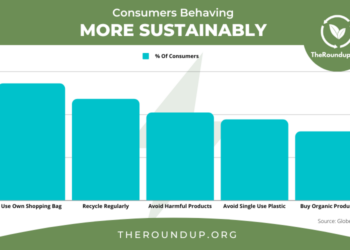
- Australian consumers value sustainability and ethical practices, leading to an increased demand for eco-friendly products and responsible brands.
- There is a growing interest in health and wellness products among AU consumers, driving the demand for organic, natural, and locally sourced goods.
- Convenience is a key factor for AU consumers, with an emphasis on fast and efficient shopping experiences, whether online or in-store.
Potential Growth Opportunities for US Brands in the AU Market
- US brands that align with the values and preferences of AU consumers, such as sustainability, health, and convenience, have a great opportunity for success in the AU market.
- Collaborating with local influencers and leveraging social media platforms can help US brands increase visibility and reach their target audience in AU.
- Adapting marketing strategies to cater to the unique needs of AU consumers, including offering localized promotions and personalized shopping experiences, can drive growth for US brands in the AU market.
Strategies for US Brands Expanding into AU
Expanding into the Australian market can be a lucrative opportunity for US brands, but it requires careful planning and strategic approach. Here are some effective market entry strategies for US brands looking to establish a presence in Australia:
Importance of Localization in Adapting to the AU Market
Localization is crucial for US brands entering the Australian market as it involves tailoring products, services, and marketing strategies to suit the preferences and cultural nuances of Australian consumers. By understanding the local market trends and consumer behavior, brands can effectively position themselves and connect with their target audience in Australia.
Examples of Successful US Brands that Have Expanded into AU
- Apple: Apple has successfully expanded its presence in Australia by opening retail stores and offering localized products and services to cater to the Australian market.
- McDonald's: McDonald's is another US brand that has successfully adapted to the Australian market by introducing menu items tailored to local tastes and preferences.
- Nike: Nike has also made a strong impact in Australia by focusing on local partnerships, sponsorships, and marketing campaigns that resonate with Australian consumers.
E-commerce Trends
 In today's global retail landscape, e-commerce plays a crucial role in shaping trade relationships between countries. Let's delve into the impact of e-commerce on retail trade between the US and AU, the role of online platforms in facilitating cross-border retail trade, and how US brands are leveraging e-commerce to expand their presence in the AU market.
Impact of E-commerce on Retail Trade
E-commerce has revolutionized the way businesses operate, especially in the retail sector. With the rise of online shopping, consumers now have access to a wide range of products from around the world at their fingertips. This has significantly increased cross-border trade between the US and AU, enabling consumers to purchase products from US brands without geographical limitations.Role of Online Platforms in Cross-Border Retail Trade
Online platforms, such as e-commerce marketplaces and social media channels, have become instrumental in connecting US brands with Australian consumers. These platforms provide a convenient and accessible way for brands to showcase their products, engage with customers, and facilitate transactions across borders. With the right online strategy, US brands can effectively reach and attract Australian consumers, expanding their market presence in the region.Leveraging E-commerce for Expansion in AU Market
US brands are increasingly turning to e-commerce as a strategic tool to expand their presence in the AU market. By establishing online stores, partnering with local e-commerce platforms, and optimizing their digital marketing efforts, US brands can tap into the growing demand for international products in Australia. E-commerce allows brands to reach a wider audience, build brand awareness, and drive sales in a cost-effective and efficient manner, making it a key driver for expansion into the AU market.Conclusion
The content of the concluding paragraph that provides a summary and last thoughts in an engaging manner
Popular Questions
What are some key challenges faced by US brands when entering the AU market?
Some key challenges include understanding local regulations, cultural differences, and competition from established local brands.
How do US brands leverage e-commerce to expand their presence in the AU market?
US brands use online platforms to reach Australian consumers, offer localized shopping experiences, and provide efficient shipping options.