
Starting with Maximizing Efficiency: How Lightspeed Retail Syncs Your Online and Offline Stores, the discussion unfolds in a captivating manner, offering readers a glimpse into the world of integrated retail systems and their impact on business operations.
The following paragraph will delve into the specifics of Lightspeed Retail and its significance in today's retail landscape.
Introduction to Lightspeed Retail
Lightspeed Retail is a cloud-based point of sale system designed to help retail businesses manage their operations efficiently. It allows retailers to streamline their inventory management, sales, customer data, and reporting in one integrated platform.
Syncing online and offline stores is crucial for businesses in today's digital age. With the rise of e-commerce, customers expect a seamless shopping experience across all channels. By integrating their online and offline stores, retailers can provide a consistent experience for customers, improve operational efficiency, and drive sales.
Benefits of Integrated Systems
- Real-time inventory management: With Lightspeed Retail, retailers can sync their inventory across all channels, reducing the risk of overselling or stockouts.
- Unified customer data: Integrated systems allow businesses to track customer interactions and purchase history, enabling personalized marketing and customer service.
- Efficient reporting and analytics: By centralizing data from both online and offline stores, retailers can gain insights into sales trends, customer behavior, and overall performance.
- Omni-channel selling: With a synchronized system, retailers can offer click-and-collect, buy online, pick up in-store (BOPIS), and other omni-channel services to meet customer demands.
Features of Lightspeed Retail Sync
Lightspeed Retail Sync offers a range of key features that streamline the synchronization between online and offline stores, enhancing operational efficiency and improving the overall customer experience.
Real-Time Inventory Management
- Sync inventory levels across all sales channels in real-time, preventing overselling and stockouts.
- Example: When an item is sold in-store, the online inventory automatically updates to reflect the change, ensuring accurate stock levels for both channels.
Omnichannel Reporting and Analytics
- Access comprehensive reports that combine data from online and offline sales for a holistic view of business performance.
- Example: Analyze customer behavior across different channels to optimize marketing strategies and product offerings.
Unified Customer Profiles
- Centralize customer data to provide a seamless shopping experience, whether online or in-store.
- Example: A customer's purchase history and preferences are accessible to staff in both channels, allowing for personalized recommendations and targeted marketing.
Integrated E-commerce Platform
- Connect your online store with your brick-and-mortar location for a cohesive shopping experience.
- Example: Customers can choose to buy online and pick up in-store, or vice versa, enhancing convenience and flexibility.
Automated Order Fulfillment
- Automate the order fulfillment process to ensure timely delivery and efficient operations.
- Example: Orders placed online can be fulfilled from the nearest physical store, reducing shipping times and costs.
Implementing Lightspeed Retail Sync
Setting up Lightspeed Retail Sync involves a few key steps to ensure seamless integration between your online and offline stores. By following best practices and comparing different strategies, you can maximize the efficiency of your retail operations.
Setting Up Synchronization
- Install the Lightspeed Retail application on all devices used in your stores.
- Connect your online store to Lightspeed Retail by entering the necessary API credentials.
- Adjust settings to sync inventory, sales data, and customer information in real-time.
- Test the synchronization process to ensure all data is transferring accurately.
Best Practices for Integration
- Train your staff on how to use Lightspeed Retail effectively to streamline operations.
- Maintain consistency in product information and pricing across all platforms.
- Utilize reporting tools to analyze sales performance and make informed decisions.
- Regularly update inventory and product listings to reflect real-time availability.
Comparing Strategies
- Syncing Inventory Only: Focus on updating inventory levels between online and offline stores.
- Syncing Sales Data: Track sales performance across all channels for better decision-making.
- Full Integration: Synchronize inventory, sales data, and customer information for a complete retail management solution.
- Customized Integration: Tailor the synchronization process to meet the specific needs of your business.
Maximizing Efficiency with Lightspeed Retail Sync
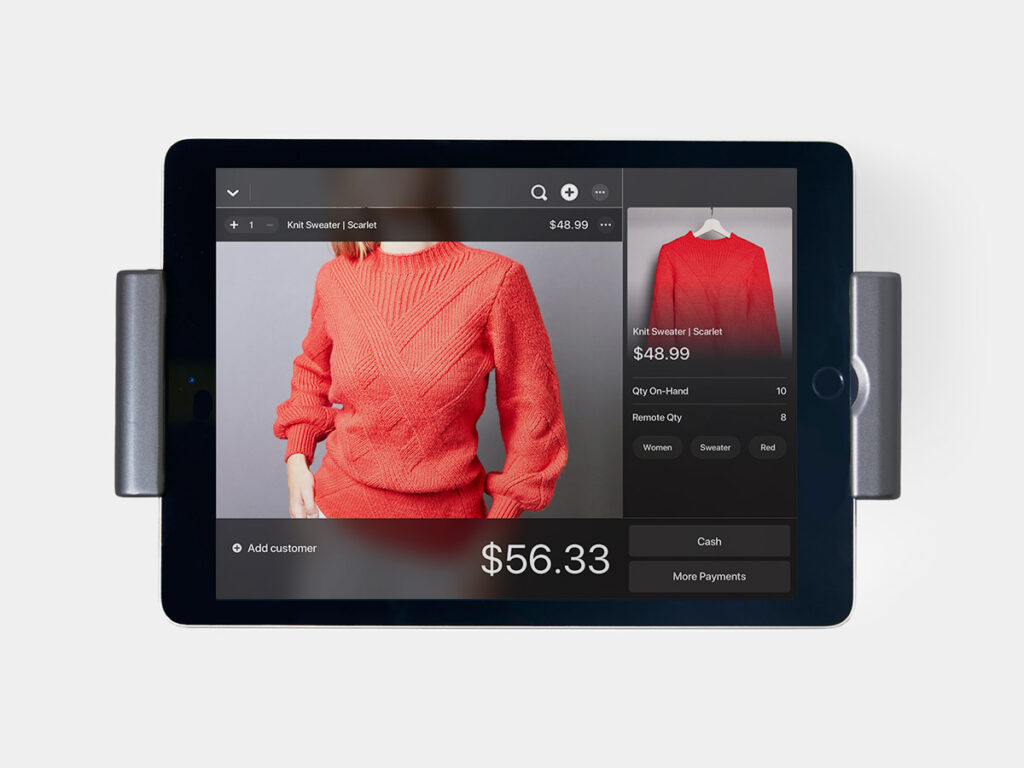
Syncing online and offline stores with Lightspeed Retail can significantly enhance operational efficiency for businesses of all sizes. By seamlessly integrating inventory, sales, and customer data across platforms, companies can streamline their processes and make informed decisions based on real-time information.
Case Studies of Businesses Optimizing Efficiency with Lightspeed Retail Sync
- A local boutique in New York City saw a 20% increase in sales after implementing Lightspeed Retail Sync. By having accurate inventory levels online and in-store, they were able to prevent stockouts and improve customer satisfaction.
- A chain of electronics stores across the Midwest reduced their manual data entry time by 50% by using Lightspeed Retail Sync. This allowed their staff to focus on providing better customer service and optimizing product displays.
Long-Term Benefits of Maximizing Efficiency through Synchronization
- Improved Customer Experience: By having consistent product information and inventory availability online and offline, businesses can provide a seamless shopping experience for customers, leading to increased loyalty and repeat business.
- Cost Savings: Eliminating manual data entry errors and reducing stockouts can help businesses save money in the long run. By optimizing operational efficiency, companies can allocate resources more effectively and minimize waste.
- Data-Driven Decision Making: With synchronized data from online and offline channels, businesses can analyze trends, track performance, and make strategic decisions based on accurate information. This can lead to better inventory management, pricing strategies, and marketing campaigns.
Conclusive Thoughts

Wrapping up the conversation, a summary of the key points discussed will be presented, leaving readers with a lasting impression of the benefits of syncing online and offline stores through Lightspeed Retail.
Expert Answers
What are the benefits of syncing online and offline stores with Lightspeed Retail?
Syncing online and offline stores with Lightspeed Retail leads to streamlined operations, improved customer experience, and long-term efficiency gains.
How can businesses effectively integrate online and offline channels using Lightspeed Retail Sync?
Businesses can integrate online and offline channels effectively by following best practices, setting up synchronization steps meticulously, and comparing different implementation strategies.
Are there any specific features of Lightspeed Retail Sync that stand out in enhancing operational efficiency?
Key features of Lightspeed Retail Sync that enhance operational efficiency include seamless data synchronization, centralized inventory management, and real-time reporting capabilities.