
Salesforce Lightning Migration: Why You Need a Certified Consulting Partner sets the stage for this enthralling narrative, offering readers a glimpse into a story that is rich in detail and brimming with originality.
Exploring the benefits and intricacies of migrating to Salesforce Lightning, this topic delves into the importance of selecting a certified consulting partner for a successful transition.
Why Salesforce Lightning Migration is Important
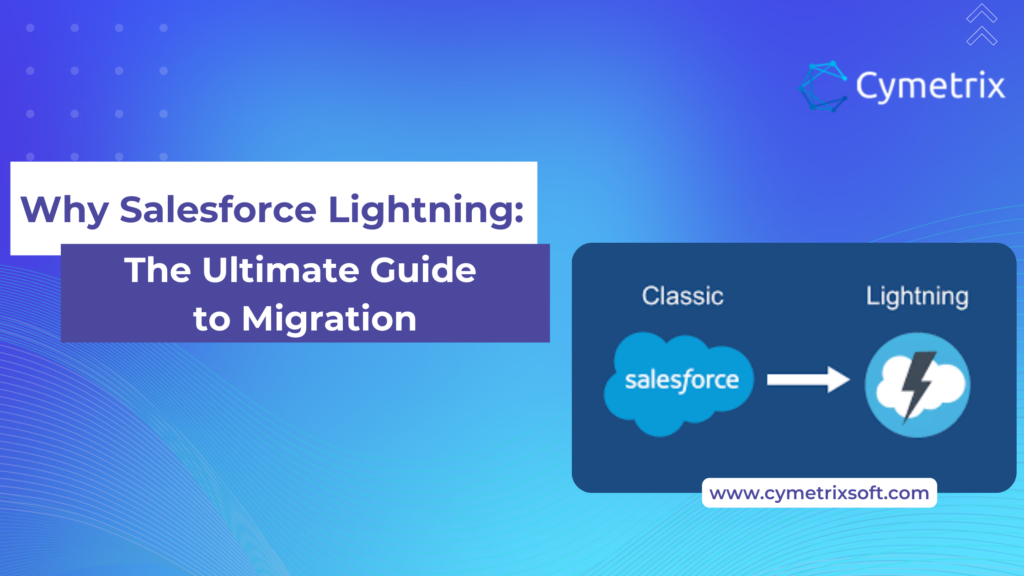
When it comes to enhancing your Salesforce experience, migrating to Salesforce Lightning is crucial. This modern platform offers a wide range of benefits that can significantly improve user experience and productivity.
Benefits of Migrating to Salesforce Lightning
- Improved User Interface: Salesforce Lightning features a modern and intuitive interface that is visually appealing and easy to navigate, enhancing user experience.
- Increased Productivity: With features like customizable dashboards, automation tools, and AI capabilities, Salesforce Lightning enables users to work more efficiently and effectively.
- Enhanced Mobile Experience: Salesforce Lightning is optimized for mobile devices, allowing users to access and manage data on the go, increasing flexibility and productivity.
Impact on User Experience and Productivity
- Streamlined Processes: Salesforce Lightning streamlines processes through customizable workflows, automation, and intelligent recommendations, reducing manual tasks and improving efficiency.
- Real-time Collaboration: Features like Chatter in Salesforce Lightning promote real-time collaboration among team members, fostering communication and teamwork.
- Personalized Insights: Salesforce Lightning provides personalized insights and recommendations based on user behavior and data analysis, enabling users to make informed decisions quickly.
Comparison of Salesforce Classic vs. Salesforce Lightning
| Features | Salesforce Classic | Salesforce Lightning |
|---|---|---|
| User Interface | Older interface, less visually appealing | Modern, intuitive interface |
| Productivity Tools | Basic productivity tools | Advanced automation, AI capabilities |
| Mobile Optimization | Not optimized for mobile | Optimized for mobile devices |
Choosing a Certified Consulting Partner
When embarking on a Salesforce Lightning Migration, selecting the right certified consulting partner is crucial for the success of your project. Here are the key criteria to consider when choosing a partner:
Expertise and Certification
A certified consulting partner should have a team of experts with in-depth knowledge of Salesforce Lightning. Look for certifications such as Salesforce Certified Administrators, App Builders, and Developers to ensure they have the necessary skills for a smooth migration.
Experience and Track Record
Experience plays a vital role in the success of a Salesforce Lightning migration. Choose a partner with a proven track record of successful migrations and positive client testimonials. This will give you confidence in their ability to handle your project effectively.
Customization and Integration Capabilities
Ensure that the consulting partner has the expertise to customize Salesforce Lightning to meet your specific business needs. They should also be able to seamlessly integrate Salesforce with your existing systems for a seamless transition.
Support and Training
Look for a partner that offers ongoing support and training to help your team adapt to the new Salesforce Lightning environment. This will ensure a smooth transition and maximize user adoption within your organization.
Planning the Migration Process
When it comes to planning a Salesforce Lightning migration, there are several key steps involved to ensure a smooth transition. One of the most critical aspects of the process is data migration, which involves transferring existing data from your current CRM system to Salesforce Lightning. Additionally, there may be potential challenges that can arise during the migration process, but with proper planning and the right strategies, these obstacles can be overcome effectively.Steps Involved in Planning a Salesforce Lightning Migration
- Assess Current System: Evaluate your current CRM system to understand the data structure, workflows, and any customizations that may need to be migrated to Salesforce Lightning.
- Define Objectives: Clearly Artikel your goals and objectives for the migration to ensure a successful transition to Salesforce Lightning.
- Engage Stakeholders: Involve key stakeholders in the planning process to gather input and ensure alignment with business objectives.
- Create a Migration Plan: Develop a detailed migration plan that includes timelines, milestones, and responsibilities to keep the project on track.
- Test and Validate: Conduct thorough testing and validation of the migration process to identify and address any issues before going live.
Data Migration in the Process
- Data Mapping: Map out the data fields in your current system to the corresponding fields in Salesforce Lightning to ensure a smooth transfer of data.
- Data Cleansing: Cleanse and de-duplicate data before migration to maintain data integrity and accuracy in Salesforce Lightning.
- Data Import: Import data into Salesforce Lightning using data migration tools or APIs to automate the process and minimize errors.
Potential Challenges and How to Overcome Them
- Customization Complexity: Address complex customizations by working closely with a certified consulting partner to develop a tailored migration strategy.
- User Adoption: Plan for training and change management initiatives to increase user adoption of Salesforce Lightning post-migration.
- Data Security: Implement data security measures to protect sensitive information during the migration process and beyond.
Training and Adoption Strategies
When transitioning to Salesforce Lightning, it is crucial to design a comprehensive training plan for users and implement effective adoption strategies to ensure a smooth transition. Ongoing support and training post-migration are also essential to maximize the benefits of the new platform.
Designing a Training Plan
Creating a structured training plan is key to helping users adapt to Salesforce Lightning. Consider the following best practices:
- Identify specific training needs based on user roles and responsibilities.
- Offer hands-on training sessions to allow users to practice using the new platform.
- Provide resources such as user guides, video tutorials, and FAQs for continuous learning.
- Utilize a phased approach to training, starting with basic functionalities and gradually progressing to advanced features.
- Encourage feedback and address any concerns or challenges that users may have during the training process.
Ensuring Smooth Adoption
Smooth adoption of Salesforce Lightning is essential for the success of the migration. Here are some strategies to promote user engagement and acceptance:
- Communicate the benefits of Salesforce Lightning to users and how it will improve their daily workflows.
- Assign dedicated champions or super users within each department to provide support and encourage adoption.
- Organize interactive workshops or webinars to showcase the capabilities of Salesforce Lightning and address any doubts.
- Collect feedback from users regularly to identify areas for improvement and additional training needs.
Importance of Ongoing Support
Post-migration, providing ongoing support and training is crucial to ensure that users continue to leverage Salesforce Lightning effectively. Some key considerations include:
- Offering refresher training sessions to reinforce knowledge and introduce new features or updates.
- Establishing a helpdesk or support system where users can seek assistance and troubleshoot issues in real-time.
- Creating a community forum or knowledge base where users can share tips, best practices, and collaborate with peers.
- Regularly updating training materials and resources to keep users informed about changes or enhancements in Salesforce Lightning.
Last Word
In conclusion, Salesforce Lightning Migration: Why You Need a Certified Consulting Partner emphasizes the crucial role of expertise and support in ensuring a seamless migration process. With the right partner, businesses can unlock the full potential of Salesforce Lightning and enhance their operations effectively.
Commonly Asked Questions
Why is Salesforce Lightning Migration important?
Migrating to Salesforce Lightning offers enhanced features, improved user experience, and increased productivity compared to Salesforce Classic.
What are the criteria for choosing a certified consulting partner?
Criteria include expertise, experience, successful track record, and good communication skills.
How is data migration handled during the process?
Data migration involves transferring existing data to the new Salesforce Lightning platform without loss or corruption.
What are the best practices for ensuring smooth adoption of Salesforce Lightning?
Best practices include thorough training, ongoing support, and clear communication about the benefits of the new platform.
Why is ongoing support and training post-migration important?
Continued support ensures that users adapt well to Salesforce Lightning, maximizing its benefits for the organization.