
Exploring the impact of DevOps Consulting Services on software deployment cycles, this introduction sets the stage for an insightful discussion. Dive into the world of DevOps consulting and discover how it revolutionizes the software development process.
In the following paragraphs, we will delve deeper into the key components of DevOps consulting services, best practices for successful implementation, real-world case studies, and more.
Introduction to DevOps Consulting Services
DevOps, a combination of development and operations, is a set of practices that aims to shorten the software development lifecycle and provide continuous delivery of high-quality software. It emphasizes collaboration between developers and IT operations to automate and streamline the process of software delivery.
DevOps consulting services play a crucial role in helping organizations implement DevOps practices effectively. These services provide expert guidance and support to optimize software deployment cycles, improve collaboration between teams, and enhance overall efficiency in the software development process.
Companies Benefiting from DevOps Consulting Services
- Netflix: By implementing DevOps practices with the help of consulting services, Netflix was able to significantly reduce downtime, improve scalability, and enhance the overall performance of their streaming platform.
- Etsy: With the assistance of DevOps consulting services, Etsy was able to increase deployment frequency, improve code quality, and achieve faster time-to-market for new features and updates on their e-commerce platform.
- Amazon: Amazon utilized DevOps consulting services to automate their software deployment process, leading to faster delivery of new features, increased operational efficiency, and better customer experience on their e-commerce platform.
Key Components of DevOps Consulting Services
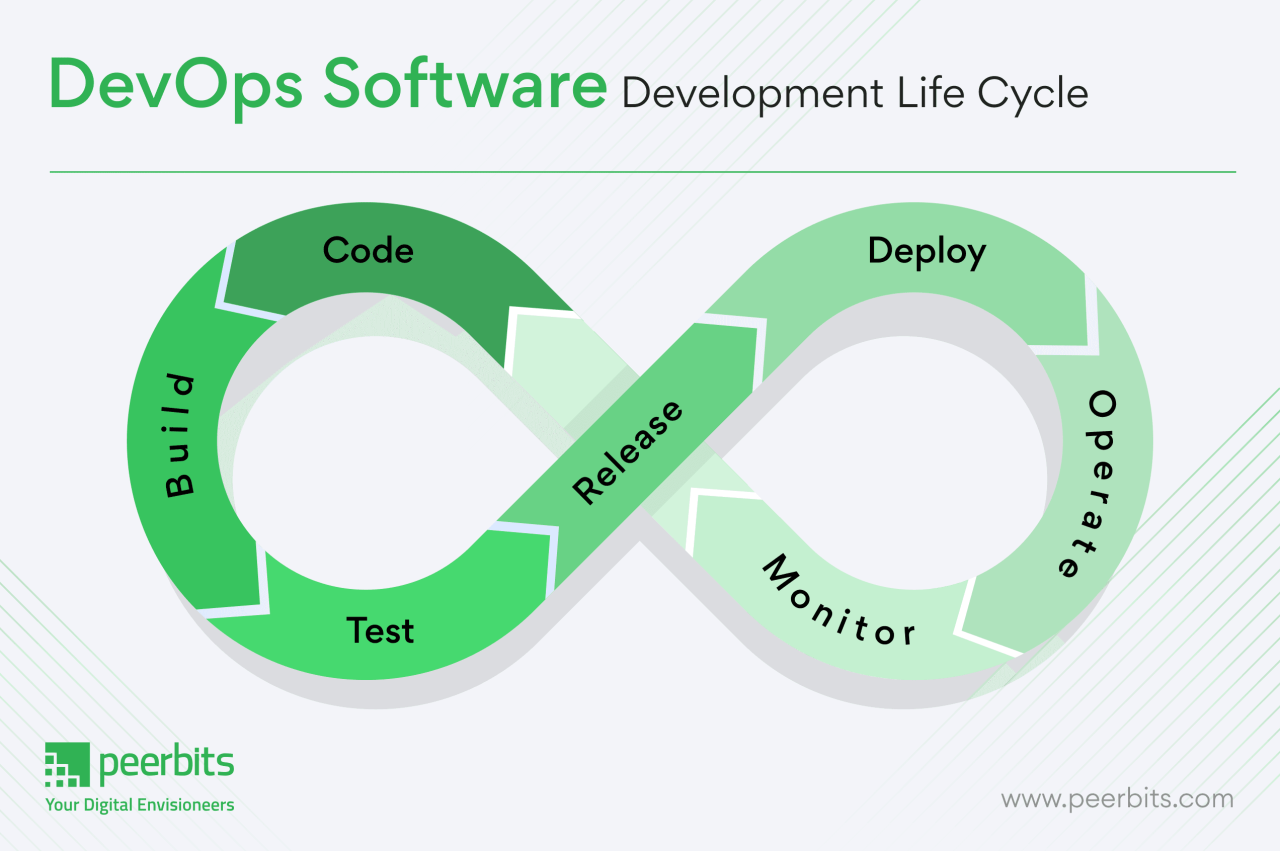
 DevOps consulting services encompass various key components that play a crucial role in accelerating software deployment cycles. These components focus on enhancing automation, fostering collaboration, and implementing effective monitoring strategies.
Automation
Automation is a central component of DevOps consulting services as it streamlines repetitive tasks, reduces manual errors, and enhances efficiency. By automating processes such as testing, deployment, and configuration management, organizations can significantly speed up their software deployment cycles. Automation tools like Jenkins, Ansible, and Docker enable continuous integration and continuous delivery (CI/CD), ensuring rapid and reliable deployment of software updates.Collaboration
Collaboration is another essential component of DevOps consulting services as it promotes seamless communication and cooperation between development, operations, and quality assurance teams. By breaking down silos and fostering a culture of collaboration, organizations can ensure that all stakeholders work together towards a common goal of delivering high-quality software in a timely manner. Collaboration tools like Slack, Jira, and Confluence facilitate real-time communication and knowledge sharing, enabling teams to work cohesively towards achieving software deployment goals.Monitoring
Monitoring plays a critical role in DevOps consulting services by providing real-time insights into the performance of software applications and infrastructure. By implementing robust monitoring tools like Nagios, Prometheus, and ELK stack, organizations can proactively identify and address issues that may impact software deployment cycles. Monitoring helps teams track key performance indicators, detect anomalies, and optimize system performance, ensuring smooth and efficient software deployment processes.Best Practices for Implementing DevOps Consulting Services
Implementing DevOps consulting services successfully requires following best practices to ensure efficiency and effectiveness. These practices are crucial for companies to streamline their software development processes and achieve faster deployment cycles.Establish Clear Goals and Objectives
- Define specific goals and objectives that align with your organization's overall strategy.
- Ensure that all stakeholders are on the same page regarding the expected outcomes of implementing DevOps practices.
- Set measurable key performance indicators (KPIs) to track progress and success.
Embrace Automation Across the Software Development Lifecycle
- Automate repetitive tasks such as testing, deployment, and monitoring to increase efficiency and reduce human error.
- Utilize tools like Jenkins, Ansible, and Docker to automate processes and workflows.
- Implement continuous integration and continuous deployment (CI/CD) pipelines to automate the software delivery process.
Encourage Collaboration and Communication
- Promote a culture of collaboration between development, operations, and quality assurance teams.
- Use tools like Slack, Microsoft Teams, or Jira to facilitate communication and information sharing.
- Hold regular meetings and cross-functional workshops to ensure alignment and transparency among team members.
Implement Feedback Loops for Continuous Improvement
- Collect feedback from users, stakeholders, and team members to identify areas for improvement.
- Use monitoring tools to gather data on system performance and user behavior for analysis.
- Iterate on processes and practices based on feedback and data to drive continuous improvement.
Case Studies
In this section, we will explore real-world case studies that demonstrate the impact of DevOps consulting services on software deployment cycles.Company A: Time-to-Market Improvement
Company A, a software development firm, engaged a DevOps consulting service to streamline their development and deployment processes. Prior to implementation, their average time-to-market for new features was around 3 months. After adopting DevOps practices recommended by the consulting service, Company A was able to reduce this time to just 2 weeks. This significant improvement allowed them to stay ahead of competitors and respond quickly to market demands.Company B: Quality Enhancements
Company B, a tech startup, was struggling with frequent bugs and issues in their software releases. By working with a DevOps consulting service, they were able to implement automated testing and continuous integration practices. As a result, the number of bugs reported by customers decreased by 60% within the first few months of implementation. This improvement not only increased customer satisfaction but also saved valuable time for the development team.Company C: Cost Savings
Company C, a large enterprise, faced challenges with escalating infrastructure costs due to inefficient deployment processes. After partnering with a DevOps consulting service, they optimized their infrastructure setup and implemented cloud-based solutions. This led to a 30% reduction in infrastructure costs within the first year. By leveraging DevOps practices, Company C was able to achieve cost savings without compromising on performance or scalability.Last Point
In conclusion, the transformative power of DevOps consulting services in accelerating software deployment cycles cannot be underestimated. Embracing these practices can lead to significant improvements in efficiency, quality, and cost-effectiveness for businesses of all sizes.
Expert Answers
How can DevOps consulting services benefit companies?
DevOps consulting services help companies optimize their software deployment cycles, leading to increased efficiency, faster time-to-market, and improved quality of products.
What are the main components of DevOps consulting services?
The main components include automation, collaboration, monitoring, and continuous integration/continuous deployment (CI/CD).
What are some best practices for implementing DevOps consulting services?
Best practices include fostering a culture of collaboration, automation of repetitive tasks, and continuous monitoring and feedback loops.
How do companies overcome challenges during the implementation of DevOps consulting services?
Companies can overcome challenges by providing adequate training to employees, aligning business goals with DevOps practices, and addressing cultural resistance to change.