
The Impact of Pharmaceutical Research and Manufacturers of America on Drug Pricing delves into the intricate world of pharmaceutical pricing, shedding light on the role of PhRMA and its influence on drug costs. This exploration offers a comprehensive view of the complexities surrounding medication affordability and access, providing valuable insights for readers seeking a deeper understanding of this crucial issue.
As we navigate through the various aspects of drug pricing and the involvement of key players like PhRMA, a clearer picture emerges of the challenges and strategies at play in the pharmaceutical landscape.
The Role of Pharmaceutical Research and Manufacturers of America (PhRMA)
Pharmaceutical Research and Manufacturers of America (PhRMA) is a trade group representing the pharmaceutical industry in the United States. It plays a significant role in shaping healthcare policy and influencing drug pricing strategies.Influence on Drug Pricing Strategies
PhRMA's influence on drug pricing strategies is substantial. The organization works closely with its member companies to advocate for pricing models that allow for innovation and investment in research and development. PhRMA often defends the high prices of drugs by citing the cost of research, development, and regulatory processes involved in bringing a new drug to market.Relationship with Healthcare Policy Makers
PhRMA maintains strong relationships with healthcare policy makers to ensure that the interests of the pharmaceutical industry are represented in policy decisions. The organization often lobbies policymakers to support policies that protect intellectual property rights, incentivize innovation, and maintain a competitive market for pharmaceuticals. This influence on healthcare policy can have a direct impact on drug pricing and access to medications for patients.Factors Influencing Drug Pricing
When it comes to determining the prices of pharmaceutical drugs, several factors come into play. These factors can range from research and development costs to market competition, all of which have a significant impact on drug pricing.
Research and Development Costs
Research and development (R&D) costs play a crucial role in influencing drug pricing. Pharmaceutical companies invest heavily in R&D to discover and develop new drugs. These costs include expenses related to clinical trials, regulatory approvals, and the overall research process. As a result, companies often factor in these high R&D costs when setting the prices of their drugs to recoup their investments and make a profit.
Market Competition
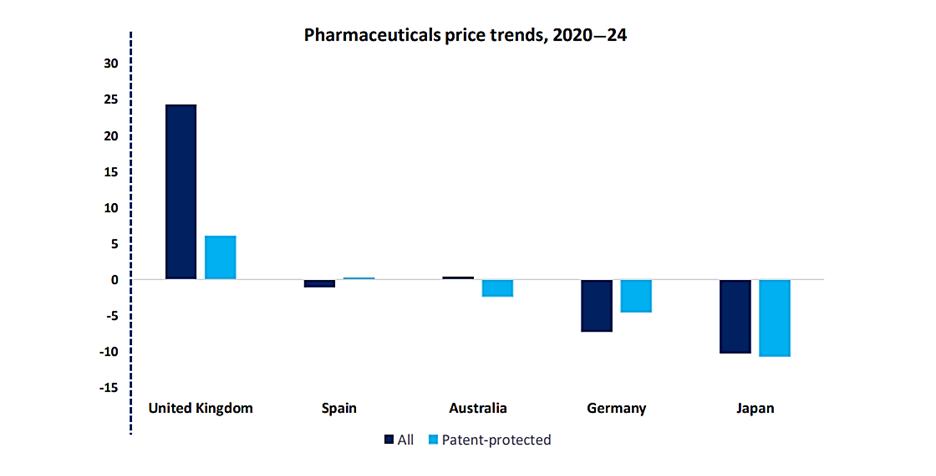
Market competition is another key factor that influences drug prices. When multiple companies produce similar drugs to treat the same condition, competition can drive prices down as companies compete for market share. On the other hand, in cases where a drug has no direct competitors or is protected by patents, companies have more pricing power and can set higher prices for their products.
Transparency in Drug Pricing
Transparency in drug pricing is crucial for ensuring that patients, healthcare providers, and policymakers have access to information about the cost of medications. This transparency allows for informed decision-making and helps to hold pharmaceutical companies accountable for their pricing practices.PhRMA's Impact on Transparency
PhRMA plays a significant role in influencing transparency in drug pricing. The organization has advocated for increased transparency and has developed guidelines for its member companies to disclose more information about pricing strategies. However, critics argue that PhRMA's efforts may not go far enough in promoting full transparency in drug pricing.- PhRMA's Code on Interactions with Healthcare Professionals requires member companies to disclose certain payments and transfers of value made to healthcare professionals. This helps shed light on potential conflicts of interest that could impact prescribing practices.
- PhRMA's Principles on Direct-to-Consumer Advertising provide guidelines for advertising practices, including transparency in drug pricing information presented to consumers. This helps ensure that patients are informed about the costs associated with medications they see advertised.
Initiatives for Increased Transparency
There are various initiatives aimed at increasing transparency in drug pricing beyond PhRMA's efforts. These initiatives seek to provide more comprehensive information about pricing strategies and factors influencing the cost of medications.- The Prescription Drug Pricing Transparency Act, introduced in several states, requires pharmaceutical companies to disclose pricing information, including factors contributing to price increases.
- The Centers for Medicare and Medicaid Services (CMS) has proposed rules to require drug manufacturers to disclose list prices in direct-to-consumer advertising. This initiative aims to increase transparency and empower patients to make more informed decisions about their healthcare.
Patient Access and Affordability
Ensuring patient access to essential medications at affordable prices is a crucial aspect of healthcare. The impact of drug pricing on patient affordability can significantly affect their ability to obtain necessary treatments.
Challenges Faced by Patients
Patients often face challenges in accessing affordable prescription drugs due to various factors such as high drug prices, lack of insurance coverage, out-of-pocket costs, and limited access to generic alternatives. These barriers can prevent patients from receiving the medications they need to manage their health conditions effectively.
Role of PhRMA in Addressing Patient Affordability
- PhRMA plays a role in advocating for policies that promote patient access to affordable medications while supporting innovation in drug development.
- The organization works with stakeholders to find solutions that balance the need for affordable drugs with the costs associated with research and development.
- PhRMA also engages in initiatives to increase transparency in drug pricing and provide assistance programs for patients who struggle to afford their medications.
Wrap-Up
In conclusion, The Impact of Pharmaceutical Research and Manufacturers of America on Drug Pricing underscores the critical need for transparency, affordability, and patient access in the realm of prescription medications. By examining the intricate web of factors influencing drug costs, we gain a deeper appreciation for the complexities of this issue and the potential solutions that can pave the way for a more equitable healthcare system.
Frequently Asked Questions
How does PhRMA influence drug pricing strategies?
PhRMA influences drug pricing strategies through various means such as lobbying efforts, research and development investments, and market competition dynamics.
What are some initiatives aimed at increasing transparency in drug pricing?
Initiatives like disclosing pricing methodologies, providing detailed breakdowns of costs, and participating in pricing benchmarking programs are some ways pharmaceutical companies are working towards transparency.
What challenges do patients face in accessing affordable prescription drugs?
Patients often encounter challenges such as high out-of-pocket costs, limited insurance coverage, and the complexities of navigating drug pricing structures set by pharmaceutical companies.