
Modern Clienteling: How to Build Lasting Relationships in Australian Luxury Retail sets the stage for this enthralling narrative, offering readers a glimpse into a story that is rich in detail and brimming with originality from the outset.
As we delve deeper into the intricacies of modern clienteling in the Australian luxury retail sector, we uncover a world where technology, personalization, and data analytics converge to create unparalleled customer experiences.
Introduction to Modern Clienteling in Australian Luxury Retail
Modern clienteling in Australian luxury retail refers to the personalized and data-driven approach that retailers use to build and maintain relationships with their high-end customers. It involves leveraging technology, customer insights, and personalized service to enhance the shopping experience and drive loyalty.
Clienteling practices in the Australian market have evolved significantly over the years, moving from traditional in-store interactions to omnichannel experiences. With the rise of e-commerce and social media, retailers now have more touchpoints to engage with customers and provide tailored recommendations, creating a seamless shopping journey.
Importance of Building Lasting Relationships
- Building lasting relationships with customers in the luxury retail sector is crucial for driving repeat business and fostering brand loyalty.
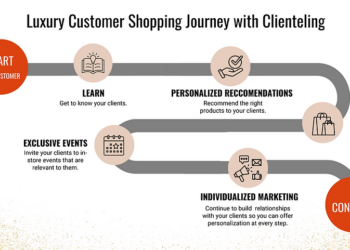
- By understanding each customer's preferences, purchase history, and behaviors, retailers can offer personalized recommendations and create unique shopping experiences that resonate with individual tastes.
- Strong customer relationships also lead to valuable word-of-mouth referrals and positive reviews, which are essential for attracting new clients and growing a loyal customer base.
Implementing Technology for Enhanced Clienteling
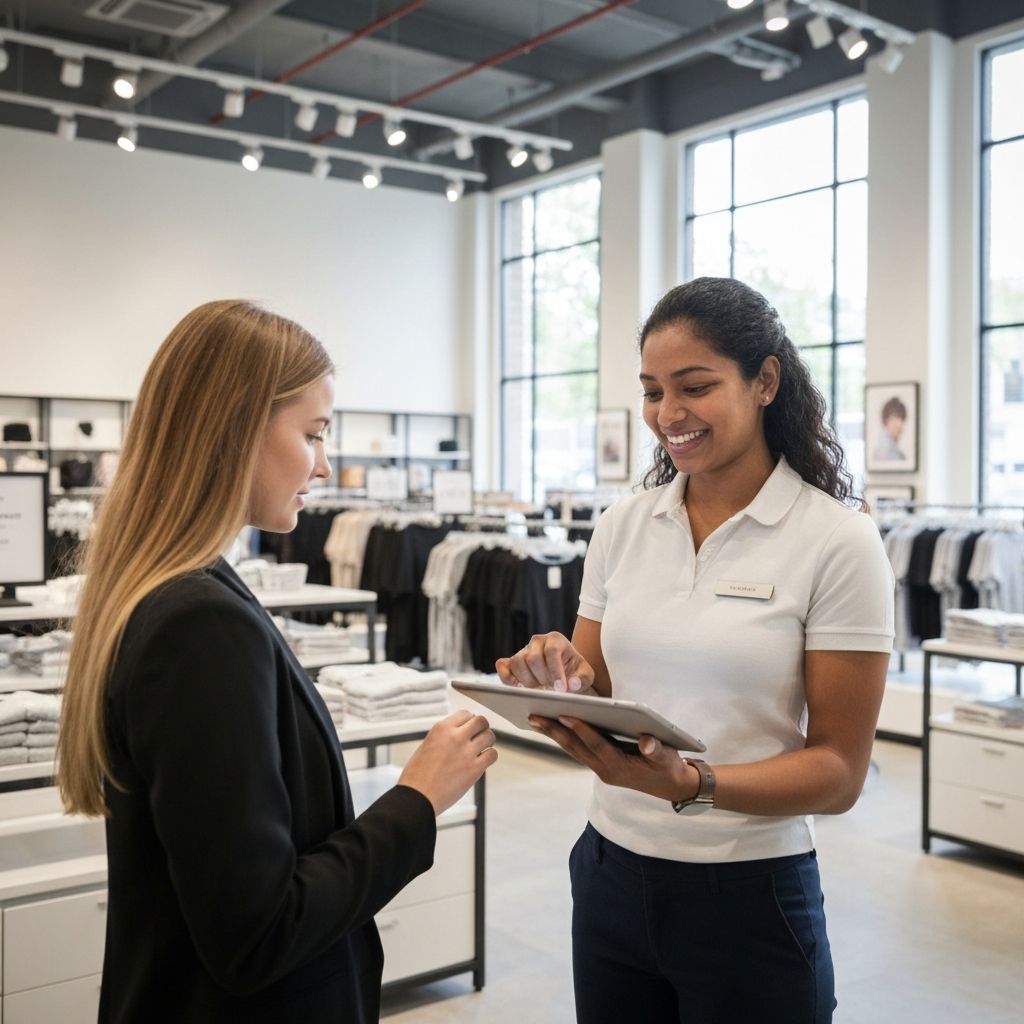
Technology plays a crucial role in modern clienteling strategies in Australian luxury retail, enhancing the customer experience and fostering lasting relationships.
Tech Tools and Software for Clienteling in Australian Luxury Retail
- Customer Relationship Management (CRM) systems: These tools help store associates track customer preferences, purchase history, and interactions, allowing for personalized recommendations and follow-ups.
- Clienteling apps: Mobile applications enable sales associates to access customer information on-the-go, providing a seamless and personalized shopping experience.
- AI-powered analytics: Artificial intelligence tools analyze customer data to predict buying behavior, enabling targeted marketing and personalized communication.
Benefits and Challenges of Integrating Technology into Clienteling Practices
- Benefits:
- Improved customer experience: Technology enables personalized recommendations and tailored interactions, enhancing customer satisfaction.
- Increased sales: Targeted marketing and predictive analytics help drive sales by offering relevant products to customers.
- Efficiency: Streamlined processes and access to real-time data allow sales associates to serve customers more effectively.
- Challenges:
- Data privacy concerns: Collecting and storing customer data raises privacy issues that need to be addressed to maintain trust.
- Training and adoption: Implementing new technologies requires training for staff and may face resistance to change.
- Integration issues: Ensuring seamless integration of various tech tools and systems can be complex and time-consuming.
Personalization and Customization in Client Relationships
Personalization in client relationships refers to tailoring products, services, and interactions to meet the unique needs and preferences of individual customers. This approach goes beyond simply knowing a customer's name or purchase history; it involves creating personalized experiences that make the customer feel valued and understood. In the luxury retail sector, personalization plays a crucial role in building lasting relationships with clients.Examples of Personalization in Australian Luxury Retail
- Australian luxury retailers often use customer data and insights to personalize product recommendations based on past purchases or browsing behavior.
- Some luxury brands offer made-to-order or bespoke services, allowing customers to customize products according to their specific requirements.
- Personal shoppers or stylists are commonly employed by luxury retailers to provide one-on-one personalized shopping experiences tailored to individual preferences.
Impact of Customization on Building Lasting Relationships
Customization plays a significant role in building lasting relationships with customers in the luxury retail industry. When customers feel that their unique preferences and needs are being acknowledged and catered to, they are more likely to develop a sense of loyalty towards the brandTraining and Empowering Staff for Effective Clienteling
Training and empowering staff for effective clienteling in luxury retail is crucial for building and maintaining strong relationships with clients. By investing in the development of your employees, you are ensuring that they have the skills and knowledge to engage effectively with customers and provide personalized experiences that keep them coming back.The Importance of Training Staff for Clienteling
- Provide comprehensive training on the company's products and services, as well as on clienteling techniques and best practices.
- Train staff on active listening, communication skills, and empathy to better understand and meet the needs of each client.
- Ensure that staff are knowledgeable about the luxury retail industry and current market trends to provide valuable insights to clients.
Best Practices for Empowering Staff to Engage Effectively with Clients
- Encourage staff to build rapport and establish trust with clients by being genuine, attentive, and responsive.
- Empower employees to take ownership of client relationships and personalize interactions based on individual preferences and past interactions.
- Provide staff with the autonomy to make decisions and offer solutions to meet clients' needs, fostering a sense of empowerment and accountability.
The Role of Continuous Training and Feedback in Enhancing Clienteling Skills
- Offer ongoing training and development opportunities to keep staff updated on new products, services, and clienteling strategies.
- Provide regular feedback and coaching to help employees improve their clienteling skills and address any areas for development.
- Encourage a culture of continuous learning and improvement, where staff are motivated to enhance their clienteling abilities and deliver exceptional customer experiences.
Leveraging Data and Analytics for Clienteling Success
Data and analytics play a crucial role in modern clienteling practices in Australian luxury retail. By utilizing customer information effectively, retailers can tailor their approach to each client, ultimately building stronger and lasting relationships.Utilizing Customer Data for Personalization
- Segmenting customers based on their purchase history, preferences, and behavior.
- Customizing communication and offerings to meet individual needs and interests.
- Tracking customer interactions across various touchpoints to provide a seamless experience.
Predictive Analytics for Anticipating Client Needs
- Using data to predict future buying patterns and preferences of clients.
- Anticipating when a client might be ready for a new purchase or service.
- Offering personalized recommendations and promotions based on predictive insights.
Ethical Considerations in Data Utilization
- Ensuring customer data is handled securely and in compliance with privacy regulations.
- Being transparent with clients about the data collected and how it will be used.
- Avoiding intrusive or overly personalized communication that may make clients uncomfortable.
Outcome Summary
In conclusion, Modern Clienteling: How to Build Lasting Relationships in Australian Luxury Retail emphasizes the importance of adapting to changing customer preferences and leveraging innovative strategies to foster enduring connections in the competitive luxury retail landscape.
FAQs
How can modern clienteling benefit luxury retailers in Australia?
Modern clienteling can enhance customer experiences, improve brand loyalty, and drive repeat business through personalized interactions and tailored services.
What are the key challenges of integrating technology into clienteling practices?
The main challenges include ensuring data privacy, training staff to effectively use new technologies, and managing the balance between automation and personalization.
How do luxury retailers personalize services for clients in Australia?
They often offer personalized recommendations based on purchase history, provide exclusive access to events or products, and tailor communication channels to suit individual preferences.
Why is continuous training important for staff engaged in clienteling?
Continuous training ensures that staff stay updated on the latest trends, technologies, and customer preferences, enabling them to deliver exceptional service and build strong relationships with clients.